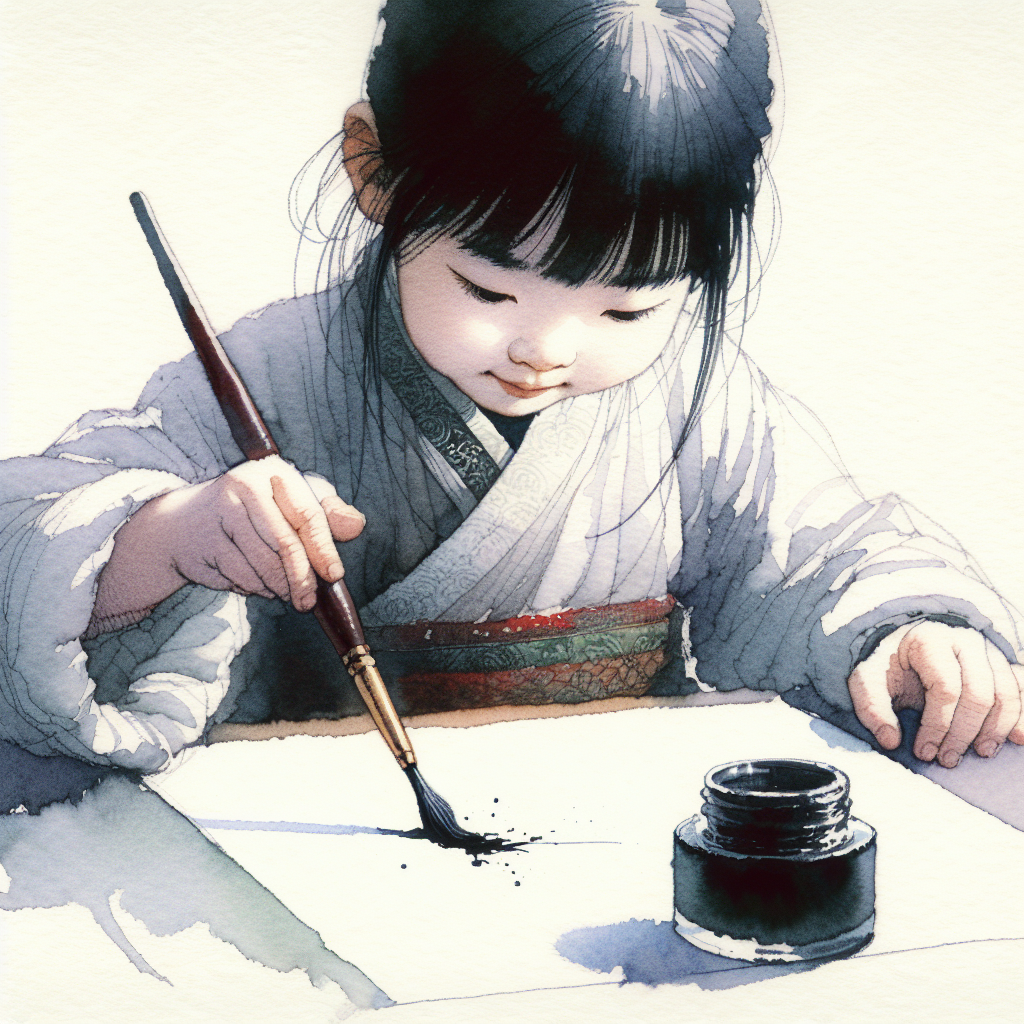
As a learner of kanji, it's not uncommon to remember the meanings and readings of various characters, but struggle with actually writing them by hand. The Japanese school system provides a structured approach to learning kanji writing, which emphasizes repetition and practice. Typically, students begin with simple kanji and gradually progress to more complex characters, focusing on the correct stroke order and direction. This is achieved through a combination of classroom instruction, worksheets, and regular homework assignments. As students become more confident, they practice writing kanji in a variety of contexts, such as in sentences and short passages.
When it comes to retaining and refining the skill of writing kanji, spaced repetition is a valuable tool. By reviewing kanji at increasingly longer intervals, learners can solidify their muscle memory and improve their handwriting. This approach can be applied to writing kanji in various ways, such as through practice sheets, flashcards, or digital tools that track progress and provide reminders. Consistency is key, and regular practice is essential to developing muscle memory and improving handwriting. By incorporating spaced repetition into their practice routine, learners can overcome the initial challenge of writing kanji and achieve greater fluency and accuracy over time.