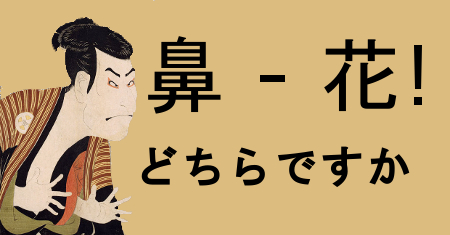
Wait, is that hana or hana?
Test your homonym knowledge.
You are in a beginning Japanese class, studying vocabulary, and the teacher says "Hana - in this case it means flower."
"Wait," you object "I thought 'hana' was the word for nose?"
"It is." she replies casually. Then she makes a statement that you will hear over and over again on your journey to master Japanese:
"Different kanji."
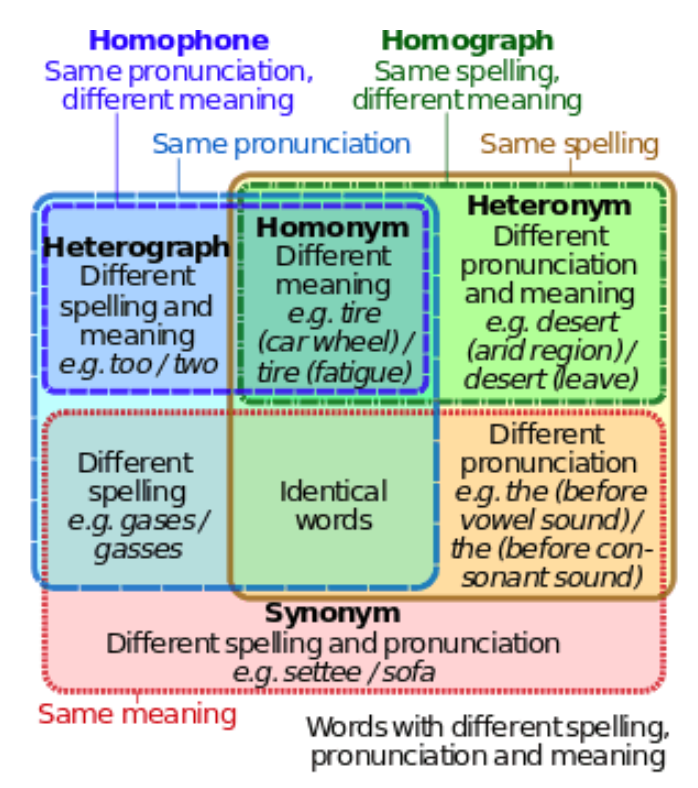
In English we refer to words that sound the same as homonyms. Strictly speaking, these Japanese words would qualify as the subset of homonyms called heterographs, because they use different kanji, which (in my mind) is different spelling, like the English words 'son' and 'sun.' Look up a word in Japanese by it's kana pronunciation, and you may get back words that are pronounced the same, but are not related in any other way. A good example is kikan. There are 23 different words, each with their own kanji, but only seven are common. Here, I have listed them for you.
きかん
器官 - organ (of body, plant, etc.)
基幹 - mainstay, nucleus, key
期間 - period, term, interval
帰還 - repatriation, return, 2. (electrical) feedback
季刊 - quarterly (e.g. magazine)
技官 - technical official, technical officer
既刊 - already published
All of these words, and many others, have the same pronunciation. But, different kanji!